About Case Hardening Steel Bar
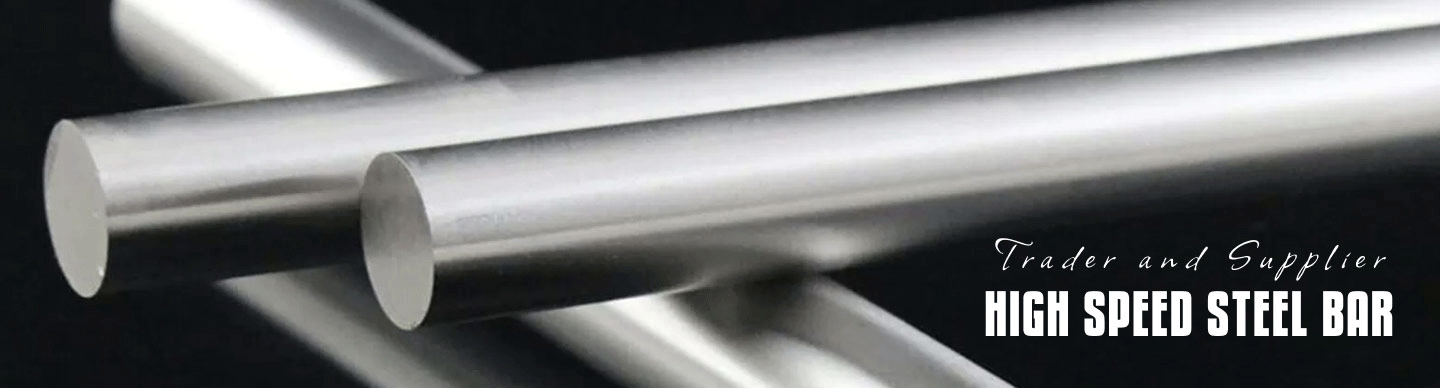
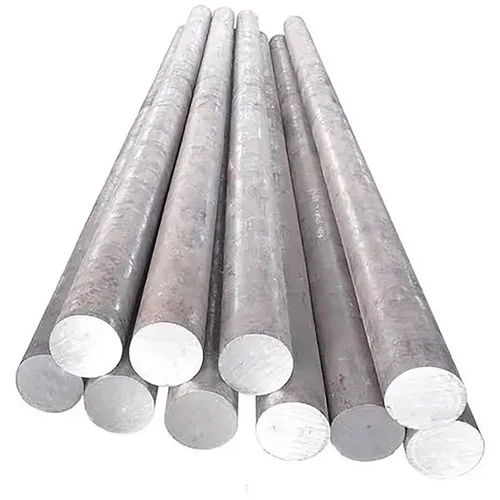
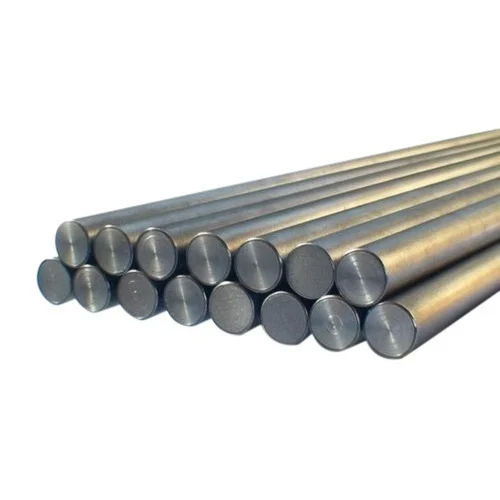
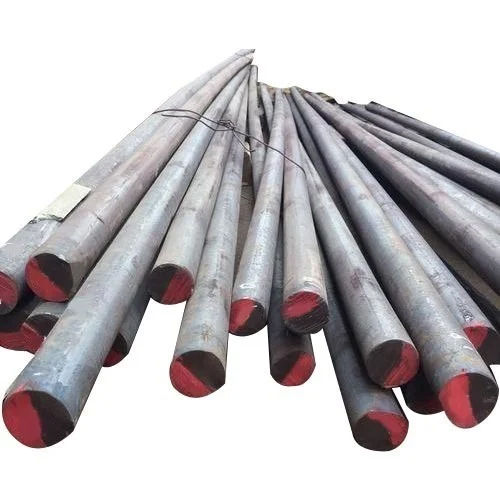
Our premium quality Case Hardening Steel Bar is a premium product made for uses that call for good surface hardening and wear resistance. This steel bar was engineered with high-quality components to deliver outstanding performance in demanding industrial applications. It is precisely heated to create a hard exterior while maintaining the interior's toughness. After this process, the steel is more resistant to wear, abrasion, and impact. Case hardening steel bar is widely used in applications like gears, shafts and other mechanical parts where a strong and wear-resistant surface is required. Make use of our solution to give your equipment the toughness and durability it requires to withstand difficult working circumstances and extend its lifespan.
Superior Surface Hardness with a Tough CoreBy undergoing carburizing or nitriding after forming, Case Hardening Steel Bars achieve a robust surface hardness while retaining excellent core toughness. This unique property makes them ideal for applications where both wear resistance and shock absorption are required, such as gears, camshafts, and machine parts.
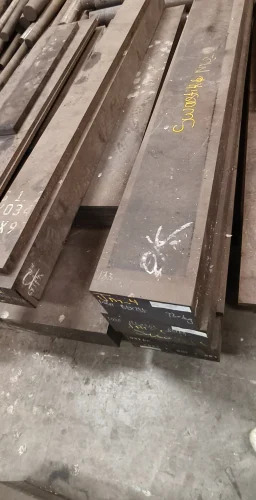
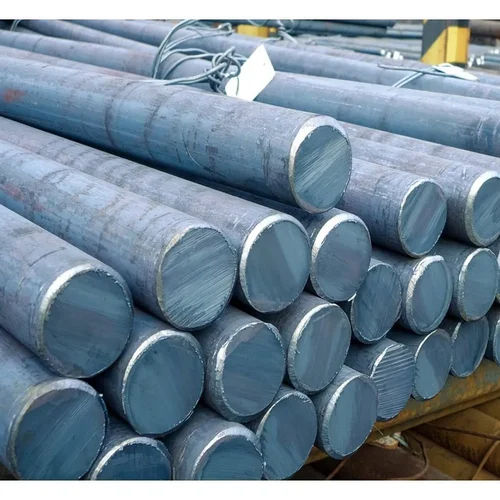
Customizable Sizes and Lengths for Various ApplicationsSupplied in standard lengths of 1m to 6m or precisely cut to order, and available in diameters from 10mm to 200mm, these steel bars can be customized for a wide range of industrial needs. Customers can select annealed, normalized, or specific delivery conditions, ensuring optimal performance for each application.
FAQ's of Case Hardening Steel Bar:
Q: How are Case Hardening Steel Bars manufactured?
A: Case Hardening Steel Bars are manufactured through a hot rolling or forging process, followed by surface hardening using carburizing or nitriding. This combination provides a tough, impact-absorbing core with a hardened surface layer.
Q: What benefits does case hardening provide to steel bars?
A: Case hardening enhances surface wear resistance and increases service life while maintaining a tough, ductile core that absorbs shocks, making these bars suitable for gears, shafts, and automotive applications.
Q: When should Case Hardening Steel Bars be machined or welded?
A: Machining should be completed before the case hardening process for best results. Welding is fair before hardening but not recommended on finished, case-hardened surfaces due to the risk of cracking or loss of hardness.
Q: Where are Case Hardening Steel Bars commonly used?
A: These bars are widely used in the manufacturing of high-wear and precision components such as gears, camshafts, shafts, fasteners, and automotive or machine parts requiring both hard surfaces and tough cores.
Q: What is the typical case hardening depth and hardness achieved?
A: After carburizing or nitriding, a typical case depth of 0.5 to 2.5 mm is achieved, with surface hardness ranging from 55 to 62 HRC, depending on the intended application and grade.
Q: How can customers order specific lengths and diameters?
A: Customers can select from standard 1m, 2m, 3m, and 6m bars, or request custom cut lengths and diameters according to their requirements. Minimum order quantities typically start at 1 ton, as per supplier terms.
Q: What options are available for packaging and delivery condition?
A: Case Hardening Steel Bars are bundled with end cap protection as standard, but custom packaging is available upon request. Delivery conditions can be annealed, normalized, or as specified by the customer.





 Send Inquiry


 Send Inquiry
 Send Inquiry
 Send SMS
 Call Me Free


 English
 Spanish
 French
 German
 Italian
 Chinese (Simplified)
 Japanese
 Korean
 Arabic
 Portuguese